The Open UniversitySkip to content
 
Skip My preferences

My preferences

Skip Learning ToolsSkip Rate and Review

Rate and Review

Skip Alternative FormatsSkip Tags

Tags


Skip Share this unit with a friend

Share this unit with a friend

Help with sending a link to this unit (new window)
Permalink to this unit:
 

Topic outline


  • Time: 10 hours
    Level: Introductory


Introduction

  • Introduction Resource
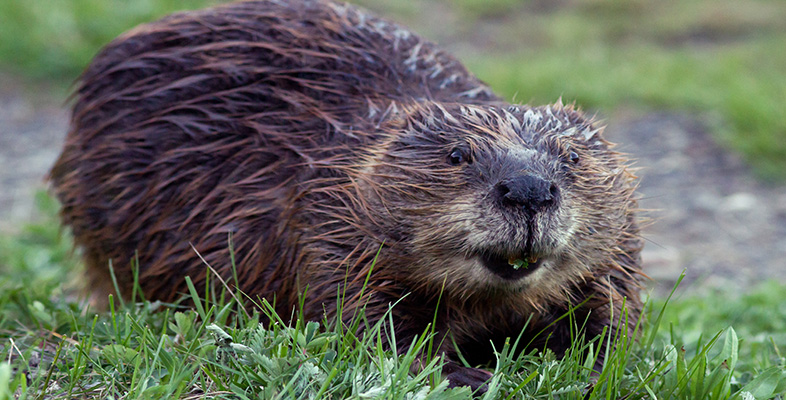
  • All of the animals described in this unit are members of the mammalian order Rodentia. The rodents are widely regarded as amongst the most successful of all the mammalian groups. We will examine some features...
 

1 The rodent

  • 1 The rodent Resource
  • As you work through this unit you will come across boxes, like this one, which give you advice about the study skills that you will be developing as you progress through the unit. To avoid breaking up...
 

2 You are what you eat

  • 2.1 Overview Resource
  • In this section, you will meet some new units, the units in which energy is measured. Nowadays, there are internationally agreed units (called SI units) that are often used in combination with a prefix...
  • 2.2 Cracking nuts and other ways of eating Resource
  • This section returns to the arrangement of teeth in the jaws of various mammals and uses the same representation for the dental formula as used in S182_2 Studying mammals: the insect hunters. You are not...
 

3 Some principles that underpin evolutionary change

  • 3.1 Introduction Resource
  • Section 3 consists of several subsections of quite concentrated reading, describing some fundamental principles of biology. It shows how biologists need to use language very carefully and how commonly...
  • 3.2 Adaptation Resource
  • If you are working through the units in this series in sequence, you have already been introduced to the idea that many features of an animal's behaviour and structure are adaptations to their way of life....
  • 3.3 Variation Resource
  • Fossil rodents are first found in rocks that date from around 65 million years ago (from the Eocene) and are thought to have evolved from insectivore/omnivore-type mammals that lived 100 million years...
  • 3.4 Competition Resource
  • In plants it is particularly obvious that many more potential offspring (seeds) are produced than can survive. To a very large extent it is a matter of chance as to which are the survivors. Some are eaten,...
  • 3.5 Natural selection Resource
  • Darwin summarised his theory of natural selection in the introduction to The Origin of Species as follows:
  • 3.6 The numbers game … or the struggle for existence Resource
  • In the majority of The Life of Mammals TV sequences there is relatively little evidence of any struggle for existence, apart from the occasional predator/prey interaction. Even then you are offered the...
 

4 Individual lives: the concept of fitness

  • 4.1 A measure of success Resource
  • If what I have highlighted so far were the whole story, the only adaptive features shown would be those that equipped the rodent for times of famine, which is patently not the case. It is obviously a very...
  • 4.2 Altruism Resource
  • How is it possible then to sustain groups in which some individuals are prevented from breeding? They would have no lifetime reproductive success, none of their characteristics could be passed on to offspring....
 

5 Different reproductive strategies

  • 5.1 Monogamy and polygamy Resource
  • You've seen plenty of evidence that reproduction in rodents – more precisely what I've called their reproductive strategies – are versatile and varied. You'll appreciate that ‘versatile and varied’ describes...
  • 5.2 Differences between the sexes Resource
  • In biology, ‘sex’ refers to a particular form of reproduction, sexual reproduction, that is distinct from asexual reproduction. As you know, sexual reproduction involves the production of eggs by females...
  • 5.3 The effect of environment on reproductive behaviour Resource
  • Review your reading of Section 4.2 on the family life of marmots (or reread LoM pp. 66–67) and construct an argument to explain why polygamy may not be profitable for the male marmot.
 

6 Reflection

  • 6 Reflection Resource
  • If you are working through all the units in this series, you'll be aware that this unit has taken a somewhat different tack from earlier ones. I've used rodents to explore some fundamental biological principles...
 

References and Acknowledgements

Skip Log inSkip Related educational resources