- The Open University
- Guest user / Sign out
- Study with The Open University

- The Open University
- Guest user / Sign out
- Study with The Open University
My OpenLearn Profile
Personalise your OpenLearn profile, save your favourite content and get recognition for your learning
Systems modelling
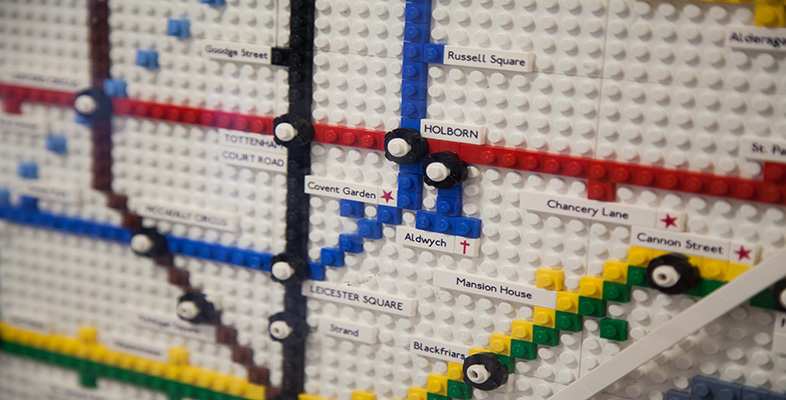
Maps and plans, architects and engineers, drawings, graphs and tables: all are models we use in everyday life. This free course, Systems modelling, will introduce you to the modelling process, enabling you to recognise that systems models may be used in different ways as part of a process for: improving understanding of a situation; identifying problems or formulating opportunities and supporting decision making.
Course learning outcomes
After studying this course, you should be able to:
- describe and use a general classification of models
- outline and discuss the process of systems modelling, where models are used as part of a systemic approach to a range of different situations
- recognise that systems models may be used in different ways as part of a process for: improving understanding of a situation; identifying problems or formulating opportunities; supporting decision making.
First Published: 10/08/2012
Updated: 17/05/2019
Rate and Review
Create an account to get more
Track your progress
Review and track your learning through your OpenLearn Profile.
Statement of Participation
On completion of a course you will earn a Statement of Participation.
Access all course activities
Take course quizzes and access all learning.
Review the course
When you have finished a course leave a review and tell others what you think.